To stop night sweats, start with a cooler bedroom, lighter layered bedding and fewer evening triggers like alcohol, then add approaches with research behind them, such as strength training, cognitive behavioral therapy, black cohosh and red clover. If they’re severe, hormone therapy and newer nonhormone prescriptions are worth discussing with your doctor. Here’s the full rundown, plus what worked for me with the She+ jelly sticks by Immunotec.
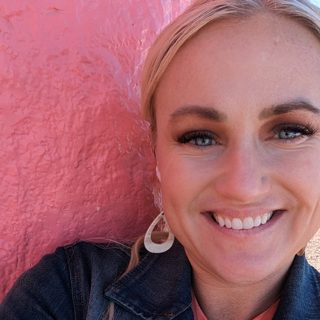
Disclosure: My husband, Brandon, does freelance marketing work for Immunotec, the company that makes She+. I got She+ free as an early tester.
- Cool the room to around 65 to 68°F, use a fan and layered breathable bedding, and keep cold water by the bed.
- Cutting back on alcohol, spicy food and caffeine in the evening helps many women.
- In one trial, 15 weeks of strength training cut moderate to severe hot flashes by about 44%.
- Black cohosh and red clover are the most studied herbs, with meta-analyses linking both to fewer hot flashes.
- Hormone therapy, fezolinetant, elinzanetant, low-dose paroxetine and gabapentin are prescription options to ask about.
First, make sure it’s perimenopause
Night sweats in women over 40 are most often hot flashes happening during sleep. But medications, infections, thyroid problems, low blood sugar and sleep apnea can cause them too. If yours come with fever, weight loss, a cough or pain, or started long after menopause, see a doctor before trying anything else (Mayo Clinic). My guide to night sweats in women walks through the causes, and my perimenopause symptoms list can help you see the bigger picture.
Once you know it’s hormonal, the goal is two things: fewer episodes, and getting back to sleep faster when one happens. Here’s what helps, starting with the changes you can make tonight.
Bedroom and habit changes
Cool the room
TonightThe Sleep Foundation says most doctors recommend a bedroom between 65°F and 68°F (Sleep Foundation). For night sweats specifically, the National Institute on Aging suggests lowering the bedroom temperature and running a fan (NIA). Air conditioning or an open window both work.
Cooling bedding and pajamas
TonightCleveland Clinic recommends lightweight, layered bedding you can remove during the night, pillows or mattress covers with cooling gel, and loose cotton or linen pajamas (Cleveland Clinic). Women on Mumsnet describe trading a heavy duvet for a sheet plus layered blankets, using separate covers from a partner, and keeping a cold gel pack or handheld fan within reach (Mumsnet).
Cold water
TonightThe NIA suggests drinking small amounts of cold water before bed. Keeping a glass by the bed helps you cool down quickly after an episode.
Less alcohol, spice and caffeine
This weekThe NIA says alcohol, spicy foods and caffeine can make menopause symptoms worse, and Cleveland Clinic lists hot drinks, hot showers, stress and smoking as common triggers too (Cleveland Clinic). On a Mumsnet thread about night sweats, cutting out alcohol was one of the changes women said made the biggest difference (Mumsnet). My menopause diet guide has more on food.
Healthy weight
Longer termThe NIA notes that women with higher body weight may have more frequent and severe hot flashes, and The Menopause Society includes weight loss among its recommended nonhormone approaches (Menopause, 2023).
Body and mind approaches
Strength training
Strong trialIn a Swedish trial of postmenopausal women having about seven moderate to severe hot flashes or night sweats a day, three strength sessions a week for 15 weeks cut their frequency by 43.6%, compared with 2% in women who didn’t change their routine (Maturitas, 2019). The program was eight exercises, two sets of 8 to 12 reps. See my guide to exercise during perimenopause for a simple weekly plan.
Cognitive behavioral therapy
RecommendedThe Menopause Society gives cognitive behavioral therapy (CBT) its top level of recommendation for hot flashes and night sweats. In a trial of women with hot flashes and insomnia, six phone sessions of CBT for insomnia reduced how much hot flashes interfered with daily life, and the benefit grew by six months (JAMA Internal Medicine, 2016).
Clinical hypnosis
RecommendedClinical hypnosis is also on The Menopause Society’s top-tier list of nonhormone options (Menopause, 2023). It’s done with a trained therapist and involves no medication.
Supplements
Black cohosh
Most studiedA 2023 meta-analysis of 22 studies and 2,310 women found black cohosh improved hot flashes and overall menopause symptoms compared with placebo (Menopause, 2023). A sleep trial found it reduced time awake after falling asleep by 15.8% (Climacteric, 2015). More in my black cohosh guide.
Red clover
Clinically studiedRed clover contains isoflavones, plant compounds with a mild estrogen-like effect. A 2021 meta-analysis found about 1.7 fewer hot flashes a day compared with placebo (Nutrients, 2021), and a 2026 review of nine trials found a significant drop in hot flash frequency (EJOG, 2026).
Sage
TraditionalSage has been used for sweating for generations. In an 8-week trial, a daily fresh sage tablet cut the intensity-rated hot flash score by 64% (Advances in Therapy, 2011). Several women on Mumsnet said sage tablets or tea helped them.
She+ by Immunotec
What I useA daily apple blueberry jelly stick that combines black cohosh and red clover with ginger and glucomannan (konjac fiber). In Immunotec’s 30-day tester group, 95% of women noticed changes, 59% in the first week, and sleep was the most reported improvement at 78%. Individual results vary. My full experience is in my She+ review.
What worked for me
My symptoms started about a year ago: lower energy, worse sleep, and hot flashes that were worst at night, when I’d wake up hot and sweaty. My Oura ring showed me waking about every ten minutes. I tried magnesium first, and it didn’t help me.
About two months ago I started She+. My sleep scores now land in the 80s and 90s, my hot flashes have reduced, and I have my energy back. The apple blueberry taste is honestly a treat, so it’s an easy habit to keep.
Prescription options
For moderate to severe night sweats, prescription treatment is a real option, and it’s worth an honest conversation with your doctor. The Menopause Society says hormone therapy remains the most effective treatment and should be considered for women within 10 years of their last period. For women who can’t or prefer not to use it, it recommends several nonhormone prescriptions (Menopause, 2023).
| Option | Type | Good to know |
|---|---|---|
| Hormone therapy | Estrogen, with progestin if you have a uterus | Pills, patches, rings, gels or creams. Risks vary by age and health history (NIA). |
| Fezolinetant (Veozah) | Nonhormone, NK3 receptor blocker | FDA approved for moderate to severe menopause hot flashes. |
| Elinzanetant | Nonhormone | FDA approved for moderate to severe hot flashes (Cleveland Clinic). |
| Low-dose paroxetine and other SSRIs or SNRIs | Antidepressants | Paroxetine is FDA approved for hot flashes at a lower dose than for depression. |
| Gabapentin | Nerve pain and seizure medicine | Recommended by The Menopause Society for hot flashes. |
| Oxybutynin | Bladder medicine | Also on The Menopause Society’s recommended list. |
For a bigger picture of medical and natural choices side by side, see my roundup of hot flash treatments.
Who should check with a doctor first
- Liver problems. Black cohosh has rare reports of liver injury, though a cause hasn’t been proven. Stop and call your doctor if you notice yellowing skin, dark urine or unusual tiredness (NIH ODS).
- Breast or uterine cancer history. It’s uncertain whether black cohosh is safe for women with hormone-sensitive conditions, and red clover contains estrogen-like isoflavones (NCCIH).
- Blood thinners. Ginger may increase bleeding risk with warfarin (BJCP, 2021).
- Pregnancy or breastfeeding. Black cohosh may not be safe during pregnancy or while breastfeeding.
- Night sweats with other symptoms. Fever, weight loss, a cough or pain mean see a doctor first.
Frequently asked questions
What is the fastest way to stop night sweats?
For tonight: a cooler room, a fan, layered breathable bedding, loose cotton pajamas and cold water by the bed. For the longer term, look at triggers, strength training, CBT, well-studied herbs, or prescription options with your doctor.
Does exercise help night sweats?
Strength training has good support. In a 15-week trial, three sessions a week cut moderate to severe hot flashes and night sweats by about 44%.
What vitamin or supplement is best for night sweats?
Black cohosh and red clover are the most studied, and sage has a positive trial too. Check with your doctor first if you have liver problems, take blood thinners, or have a history of hormone-sensitive cancer.
Is She+ hormone replacement therapy?
No. She+ isn’t hormone replacement therapy (HRT). It’s a daily supplement made with plant extracts including black cohosh and red clover. I share how it’s gone for me in my honest She+ review.
When should I consider prescription treatment?
If night sweats are moderate to severe or wrecking your sleep, it’s worth asking. Hormone therapy is the most effective option for many women, and there are several nonhormone choices.
Sources
- Night sweats: causes. Mayo Clinic. Mayo Clinic
- Best temperature for sleep. Sleep Foundation. Sleep Foundation
- Hot flashes: what can I do? National Institute on Aging. NIA
- Night sweats. Cleveland Clinic. Cleveland Clinic
- Hot flashes. Cleveland Clinic, 2024. Cleveland Clinic
- Hot flushes wake me up every hour, any tips? (forum thread). Mumsnet. Mumsnet
- Natural remedies for night sweats (forum thread). Mumsnet. Mumsnet
- The 2023 nonhormone therapy position statement of The North American Menopause Society. Menopause, 2023. PubMed
- Resistance training for hot flushes in postmenopausal women: a randomised controlled trial. Maturitas, 2019. PubMed
- Telephone-based cognitive behavioral therapy for insomnia in perimenopausal and postmenopausal women with vasomotor symptoms. JAMA Internal Medicine, 2016. PubMed
- Black cohosh extracts in women with menopausal symptoms: an updated pairwise meta-analysis. Menopause, 2023. PubMed
- Black cohosh improves objective sleep in postmenopausal women with sleep disturbance. Climacteric, 2015. PubMed
- Clinical meaningfulness of red clover extract to relieve hot flushes. Nutrients, 2021. PubMed
- Effectiveness of red clover on hot flashes: a GRADE-assessed meta-analysis. Eur J Obstet Gynecol Reprod Biol, 2026. PubMed
- First time proof of sage’s tolerability and efficacy in menopausal women with hot flushes. Advances in Therapy, 2011. PubMed
- Black cohosh fact sheet for health professionals. NIH Office of Dietary Supplements. NIH ODS
- Black cohosh: usefulness and safety. NCCIH. NCCIH
- Warfarin and food, herbal or dietary supplement interactions: a systematic review. Br J Clin Pharmacol, 2021. PubMed
This article reflects one person’s experience and is for general information only. It is not medical advice. Talk with your healthcare provider before starting any supplement. *These statements have not been evaluated by the Food and Drug Administration. This product is not intended to diagnose, treat, cure or prevent any disease.