Perimenopause is the transition leading up to your last period, menopause is the single day you’ve gone 12 months in a row without a period, and postmenopause is everything after that. In the US, menopause happens at about age 51 to 52 on average, and perimenopause usually runs about four years before it. Here’s how to tell the stages apart, what changes in each one, and what helps. I’m in perimenopause myself, and I’ll share what’s working for me, including She+ by Immunotec.
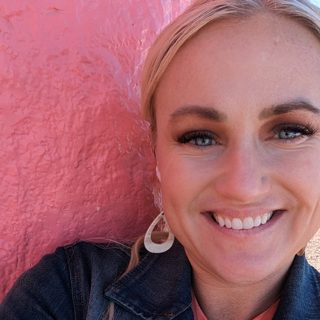
Disclosure: My husband, Brandon, does freelance marketing work for Immunotec, the company that makes She+. I got She+ free as an early tester.
- Menopause is one moment in time: 12 months in a row with no period, including no spotting.
- Perimenopause usually starts in your mid-40s and lasts about four years on average, but it can begin in your mid-30s.
- The average age of menopause in the US is about 51 to 52.
- Postmenopause lasts the rest of your life. Hot flashes often ease, while bone and heart health need more attention.
- Most symptoms, including hot flashes and poor sleep, peak around the transition, and there are plenty of ways to feel better.
The three stages at a glance
| Perimenopause | Menopause | Postmenopause | |
|---|---|---|---|
| What it is | The transition before your final period, when hormones rise and fall unevenly | A single point: 12 months in a row without a period | Every year after menopause, for the rest of your life |
| Typical timing | Usually starts mid-40s; can start mid-30s to mid-50s | Average age 52 in the US (NIA); about 51 (Mayo Clinic) | Begins the day after menopause is confirmed |
| How long | About 4 years on average; up to 8 to 10 years | One day, confirmed looking back | Many decades; up to 40% of a woman’s life |
| Periods | Irregular, skipped, heavier or lighter | Stopped for a full year | None. Any bleeding needs a doctor |
| Pregnancy | Still possible | No longer possible after natural menopause | Not possible naturally |
| Common symptoms | Hot flashes, night sweats, sleep trouble, mood changes, brain fog | Same as late perimenopause | Hot flashes may continue for a few years; vaginal dryness may appear or grow |
Sources: Cleveland Clinic, NIA, Office on Women’s Health, Mayo Clinic.
Perimenopause: the transition
Perimenopause means “around menopause.” It’s the stretch of time when your ovaries start making estrogen and progesterone less predictably. Cleveland Clinic says it usually starts in the mid-40s, about eight to 10 years before menopause, though it can begin as early as your mid-30s or as late as your mid-50s. The average length is about four years, but it can last up to eight (Cleveland Clinic). The US Office on Women’s Health says it can last up to 10 years (OWH).
Early vs late perimenopause
Doctors often split perimenopause into two phases based on your cycle. The Menopause Society describes it this way (The Menopause Society):
- Early: changes are subtle. Cycles may get a bit shorter, and your cycle length starts varying by 7 days or more.
- Late: you start skipping periods, going 60 days or more between them.
This is the stage where most women first notice symptoms. Up to 80% of women have hot flashes or night sweats at some point during the transition (The Menopause Society), and a CDC survey found 56% of perimenopausal women sleep less than 7 hours a night (CDC). For the full list, see my guide to perimenopause symptoms.
That’s where I am. About a year ago my energy dropped, my sleep started falling apart, and hot flashes started waking me up hot and sweaty at night.
Can you get pregnant in perimenopause?
Yes. As long as you’re having periods, you can still ovulate. Mayo Clinic recommends using birth control until you’ve gone 12 months without a period if you want to avoid pregnancy (Mayo Clinic).
Menopause: one day, not a phase
This is the part that surprises a lot of women. Menopause isn’t a season of life, technically. It’s a single point in time: the day you’ve gone 12 consecutive months without a period, including no spotting (OWH). You can only know you’ve reached it by looking back.
The average age is 52 in the US according to the National Institute on Aging, and most women reach it between 45 and 55 (NIA). Mayo Clinic puts natural menopause at about age 51. The large SWAN study, which followed thousands of women from seven US sites, found a median age of 52.54 at the final period (Am J Epidemiol, 2013). My guide to what age menopause starts covers what pushes it earlier or later.
In everyday conversation, “menopause” usually means the whole experience, including the hot flash years. That’s fine. It just helps to know the real definition when you’re talking with your doctor.
When menopause comes early
Menopause before 45 is called early menopause, and before 40 is called premature menopause. About 1 in 20 women have early menopause and about 1 in 100 have premature menopause (Cleveland Clinic). Surgery to remove both ovaries brings on menopause right away. More in my guide to premature and early menopause.
Postmenopause: the rest of your life
Once you’ve hit that 12-month mark, you’re postmenopausal for good. Cleveland Clinic says most symptoms ease in this stage, though mild ones can stick around for several years (Cleveland Clinic). In the SWAN study, frequent hot flashes lasted a median of 7.4 years in total and about 4.5 years after the final period (JAMA Intern Med, 2015).
With people living longer, Mayo Clinic notes women may spend up to 40% of their lives postmenopausal. That’s a long time, so it pays to take care of a few things:
- Bones. On average, about 25% of bone mass is lost from menopause to age 60 (Cleveland Clinic). Strength training, calcium, vitamin D and bone density screening all help. See why exercise matters so much.
- Heart. Heart disease risk rises after menopause, so blood pressure and cholesterol checks matter. More on menopause and heart disease.
- Vaginal and bladder health. These changes can show up years after menopause. At least half of women entering menopause show signs (Cleveland Clinic). See my guide to vaginal dryness.
How doctors tell which stage you’re in
Usually by your age, your symptoms and your period history. Hormone blood tests often aren’t needed, because levels swing too much in perimenopause for one test to be reliable (Cleveland Clinic). If your periods stop before 40, testing makes more sense (OWH). A simple period-tracking app is one of the most useful tools you can bring to an appointment.
What helps in each stage
The tools are mostly the same across the transition. Lifestyle comes first: keep your bedroom cool, move every day, and learn your hot flash triggers. My guide to natural treatments for menopause walks through the options.
Herbs have real research behind them too. A 2023 meta-analysis of 22 studies and 2,310 women found black cohosh improved hot flashes and overall symptoms compared with placebo (Menopause, 2023), and a 2021 analysis found red clover meant about 1.7 fewer hot flashes a day (Nutrients, 2021).
Prescription options include hormone therapy, the nonhormonal medicine fezolinetant (Veozah), certain antidepressants (SSRIs) and gabapentin. Your doctor can help you decide what fits your health history and stage.
For me, She+ has been the thing that helped most. It combines black cohosh and red clover with ginger in an apple blueberry jelly stick. After about two months, my sleep scores went from constant wake-ups to the 80s and 90s, and my hot flashes calmed way down. Individual results vary. You can read my honest She+ review for the details.
When to call your doctor
- Bleeding after menopause. Any bleeding after 12 months with no period should be checked right away (Mayo Clinic).
- Very heavy or frequent periods. Bleeding longer than seven days, between periods, or cycles less than 21 days apart.
- Periods stopping before 45. Early or premature menopause deserves a full evaluation.
- Severe night sweats. Especially with fever or weight loss, since they can signal something else.
- Before supplements. Ask first if you have liver problems, a history of breast or uterine cancer, or take blood thinners. Stop black cohosh and call your doctor if you notice yellowing skin or dark urine (NIH ODS).
Frequently asked questions
What’s the difference between perimenopause and menopause?
Perimenopause is the transition, often lasting years, when periods become irregular and symptoms start. Menopause is the single point when you’ve gone 12 months in a row without a period.
Am I in menopause if I skipped a few periods?
Not yet. Skipping periods for 60 days or more is a sign of late perimenopause. You reach menopause only after a full 12 months with no period.
Do symptoms stop after menopause?
Many ease, but some women have hot flashes for several years after their final period. Vaginal dryness can show up later.
How long does perimenopause last?
About four years on average, according to Cleveland Clinic, though it can be a few months or up to eight to 10 years.
Is She+ hormone replacement therapy?
No. She+ isn’t hormone replacement therapy (HRT). It’s a daily supplement with plant extracts. See my She+ review.
Sources
- Perimenopause. Cleveland Clinic. Cleveland Clinic
- Menopause. Cleveland Clinic. Cleveland Clinic
- Premature and early menopause. Cleveland Clinic. Cleveland Clinic
- Vaginal atrophy. Cleveland Clinic. Cleveland Clinic
- What is menopause? National Institute on Aging. NIA
- Menopause basics. US Office on Women’s Health. OWH
- Perimenopause. The Menopause Society. The Menopause Society
- Perimenopause: symptoms and causes. Mayo Clinic. Mayo Clinic
- Women’s wellness: 5 things you need to know about early menopause. Mayo Clinic News Network. Mayo Clinic
- Gold EB, et al. Factors related to age at natural menopause: longitudinal analyses from SWAN. Am J Epidemiol, 2013. PubMed
- Avis NE, et al. Duration of menopausal vasomotor symptoms over the menopause transition. JAMA Intern Med, 2015. PubMed
- Sleep duration and quality among women aged 40 to 59, by menopausal status. CDC NCHS Data Brief 286. CDC
- Black cohosh extracts in women with menopausal symptoms: an updated pairwise meta-analysis. Menopause, 2023. PubMed
- Clinical meaningfulness of red clover extract to relieve hot flushes. Nutrients, 2021. PubMed
- Black cohosh fact sheet for health professionals. NIH Office of Dietary Supplements. NIH ODS
This article reflects one person’s experience and is for general information only. It is not medical advice. Talk with your healthcare provider before starting any supplement.