The earliest sign of perimenopause for most women is a change in your period: cycles that get shorter, longer, heavier or lighter. Close behind come sleep changes, mood shifts, low energy and the first hot flashes, often in your 40s and sometimes in your late 30s. Here’s what tends to show up first, how to tell it’s perimenopause, and when to see a doctor. I’ll also share my own early signs and what has helped, including She+ by Immunotec.
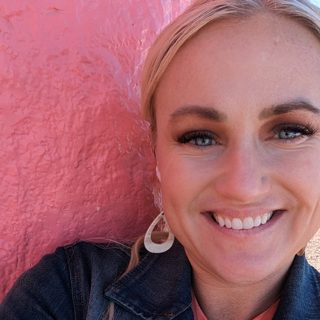
Disclosure: My husband, Brandon, does freelance marketing work for Immunotec, the company that makes She+. I got She+ free as an early tester.
- Irregular periods are usually the first sign. A cycle that keeps varying by 7 days or more points to early perimenopause.
- Sleep problems, mood changes, low energy and hot flashes often follow, sometimes before periods change much at all.
- Perimenopause usually starts in the mid-40s, but it can begin in the mid-30s, so you’re probably not “too young.”
- You usually don’t need a blood test. Doctors go by age, symptoms and period changes.
- Very heavy bleeding, bleeding between periods, or periods stopping before 45 are reasons to see a doctor.
When the first signs usually appear
Perimenopause typically starts in your mid-40s, about eight to 10 years before your final period. But Cleveland Clinic says it can begin as early as the mid-30s or as late as the mid-50s (Cleveland Clinic). The US Office on Women’s Health notes that some women notice symptoms in their late 30s (OWH).
Because the changes creep in slowly, a lot of us don’t connect the dots for a while. That was me. Looking back, my first sign about a year ago was low energy. Then my sleep started slipping, and then the hot flashes and sweaty nights showed up.
The early signs, in the order many women notice them
1. Changes in your period
Most common first signYour cycle may get a little shorter at first, with heavier or lighter flow (The Menopause Society). Mayo Clinic says a cycle length that keeps changing by 7 days or more suggests early perimenopause, while going 60 days or more between periods suggests late perimenopause (Mayo Clinic).
Tracking your cycle in an app for a few months is the easiest way to spot this.
2. Sleep that isn’t what it used to be
Very commonTrouble falling asleep, waking at 3 a.m., or waking again and again. A CDC survey found 56% of women in perimenopause sleep less than 7 hours a night, and 30.8% have trouble staying asleep four or more nights a week (CDC). Mayo Clinic notes sleep problems can happen even without hot flashes.
My Oura ring showed me waking about every 10 minutes. If that sounds like you, my guide to insomnia during menopause can help.
3. Mood shifts
CommonIrritability, mood swings, feeling teary or anxious. Mayo Clinic says the risk is higher if you’ve had PMS, premenstrual dysphoric disorder, postpartum depression, or past depression or anxiety. Poor sleep makes all of it harder. More in menopause and depression.
4. Low energy
Often overlookedFeeling tired or worn out is one of the most reported symptoms. In a large survey of women with moderate to severe hot flashes, about three in four felt tired or worn out in the past week (Menopause, 2021).
5. The first hot flashes
Up to 80% of womenEarly hot flashes can be mild: a warm flush up your chest and face, or waking up hot. Up to 80% of women have hot flashes or night sweats at some point during the transition (The Menopause Society). Here’s what causes hot flashes and my guide to night sweats.
6. Brain fog
40% to 60%Losing your train of thought or forgetting words. The Menopause Society says 40% to 60% of midlife women report memory and focus symptoms.
Other early signs can include worse PMS, breast tenderness, achy joints, headaches and a lower sex drive (Cleveland Clinic). For every symptom in one place, see my complete list of perimenopause symptoms.
“Am I too young for this?”
Probably not. If you’re in your late 30s or 40s and noticing these changes, perimenopause is a very reasonable explanation. Cleveland Clinic says it can start in the mid-30s. The average age of menopause in the US is 52 (NIA), and perimenopause starts years before that. My guide to what age menopause starts goes into the averages and what can shift them.
It’s also reassuring to know you’re not imagining it. These symptoms are real, common and well documented, and there are good ways to feel better.
If your periods stop or become irregular before 40, though, that’s different. Menopause before 40 is called premature menopause and affects about 1 in 100 women (Cleveland Clinic). It’s worth getting checked. Read more about premature and early menopause.
How perimenopause is confirmed
Usually there’s no single test. Your doctor will look at your age, symptoms and period history. Hormone levels swing so much in perimenopause that blood tests often aren’t reliable, and no imaging test can confirm it (Cleveland Clinic). If your periods stop before 40, testing is more useful (OWH). Your doctor may also check your thyroid, since thyroid problems can cause similar symptoms.
Bring notes: when your periods came, how heavy they were, how you’re sleeping and what symptoms bother you most.
What helps early on
Catching it early is a good thing. It gives you time to build habits that make the whole transition easier.
- Protect your sleep. A cool, dark room and a steady bedtime.
- Move every day. Strength training helps with joints, mood and bone health. See why exercise is so important.
- Notice your triggers. Alcohol, spicy food and hot rooms set off hot flashes for many women. More in how to avoid hot flashes naturally.
- Look at well-studied herbs. A 2023 meta-analysis of 22 studies found black cohosh improved hot flashes and overall symptoms compared with placebo (Menopause, 2023), and one small trial in postmenopausal women found it reduced time awake after falling asleep by about 16% (Climacteric, 2015).
- Ask about prescriptions if symptoms are strong. Hormone therapy, fezolinetant (Veozah), SSRIs and gabapentin are options to discuss with your doctor.
For me, what made the real difference was She+. Magnesium didn’t help me, but after about two months on She+ my sleep scores climbed into the 80s and 90s, my energy came back and my hot flashes eased. In Immunotec’s 30-day tester group, 59% noticed changes in the first week. Individual results vary. I share the whole story in my She+ review.
When to see a doctor
- Very heavy bleeding. Changing pads or tampons every one to two hours, or passing large clots (Cleveland Clinic).
- Long or frequent periods. Bleeding longer than seven days, or periods less than 21 days apart (Mayo Clinic).
- Bleeding between periods or after sex. These always deserve a check.
- Periods stopping or changing before 45. Mayo Clinic suggests an evaluation if your periods stop or change noticeably for three cycles before 45 (Mayo Clinic).
- Severe night sweats or mood changes. Drenching sweats with fever or weight loss, or low mood that won’t lift.
- Before any supplement. Especially with liver problems, a history of breast or uterine cancer, blood thinners, or possible pregnancy. Stop black cohosh and call your doctor if you notice yellowing skin or dark urine (NIH ODS).
Frequently asked questions
What is usually the very first sign of perimenopause?
For most women, a change in their period: a shorter or longer cycle, or heavier or lighter flow. Some women notice sleep or mood changes first.
Can perimenopause start at 35?
It can. Cleveland Clinic says it may begin as early as the mid-30s, though the mid-40s is more typical.
Can I still get pregnant once the signs start?
Yes. You can still ovulate while you’re having periods, so use birth control until you’ve gone 12 months without a period if you want to avoid pregnancy.
How long do early perimenopause symptoms last?
Perimenopause lasts about four years on average and can last up to eight, according to Cleveland Clinic. Symptoms often change over that time.
Is She+ hormone replacement therapy?
No. She+ isn’t hormone replacement therapy (HRT). It’s a daily jelly stick with black cohosh, red clover, ginger and glucomannan. Details are in my She+ review.
Sources
- Perimenopause. Cleveland Clinic. Cleveland Clinic
- Menopause. Cleveland Clinic. Cleveland Clinic
- Premature and early menopause. Cleveland Clinic. Cleveland Clinic
- Perimenopause: symptoms and causes. Mayo Clinic. Mayo Clinic
- Women’s wellness: 5 things you need to know about early menopause. Mayo Clinic News Network. Mayo Clinic
- Perimenopause. The Menopause Society. The Menopause Society
- Menopause basics. US Office on Women’s Health. OWH
- What is menopause? National Institute on Aging. NIA
- Sleep duration and quality among women aged 40 to 59, by menopausal status. CDC NCHS Data Brief 286. CDC
- Nappi RE, et al. Global cross-sectional survey of women with vasomotor symptoms associated with menopause. Menopause, 2021. PubMed
- Black cohosh extracts in women with menopausal symptoms: an updated pairwise meta-analysis. Menopause, 2023. PubMed
- Black cohosh improves objective sleep in postmenopausal women with sleep disturbance. Climacteric, 2015. PubMed
- Black cohosh fact sheet for health professionals. NIH Office of Dietary Supplements. NIH ODS
This article reflects one person’s experience and is for general information only. It is not medical advice. Talk with your healthcare provider before starting any supplement.