Yes, perimenopause can bring on bladder leaks. A large US study found women were more likely to start leaking a little urine during perimenopause than before it, usually as occasional leaks when they cough, sneeze, laugh or exercise, or a sudden “I have to go now” urge. The good news is that simple, well-studied steps like pelvic floor exercises, bladder training and a few daily habits help most women, and here is what to try first.

Disclosure: My husband, Brandon, does freelance marketing work for Immunotec, the company that makes She+. I got She+ free as an early tester.
- Bladder leaks are a common part of perimenopause. In the SWAN study, women in early perimenopause had about 1.3 times the risk of new leaks compared with before perimenopause, and in late perimenopause about 1.5 times.
- Most of those new leaks were occasional (a few times a month), not daily, and the risk of new leaks was lower again after menopause.
- Pelvic floor muscle training is the first thing to try. A Cochrane review of 31 trials found women with stress leaks were far more likely to report being cured or improved than women who did no training.
- Daily habits help too: steady fluids, less caffeine and alcohol, avoiding constipation, and gentle weight loss if you carry extra weight.
- A doctor or pelvic floor physical therapist can add more options, like vaginal estrogen, a pessary or bladder medication, so you never have to just live with it.
Is leaking urine a sign of perimenopause?
It can be. When I started reading about perimenopause, I was amazed by how long the full list of perimenopause symptoms really is. Hot flashes and night sweats get the headlines, but bladder changes are right there on the list, and they are one of the symptoms women are least likely to bring up with anyone.
The National Institutes of Health says about half of all women experience urinary incontinence at some point, and that it is more likely during and after pregnancy, childbirth and menopause. So if you have started crossing your legs before a sneeze, you are in very large company.
The best look at perimenopause specifically comes from the Study of Women’s Health Across the Nation (SWAN), which followed thousands of US women through midlife. In a 2009 SWAN analysis in Obstetrics and Gynecology, women who had no leaks at the start were more likely to develop them as they moved into perimenopause: about 1.34 times the risk in early perimenopause and 1.52 times in late perimenopause, compared with women who were still premenopausal. The pattern was similar for stress leaks and urge leaks. Encouragingly, the new leaks tied to perimenopause were mostly the occasional kind, and the risk of new leaks dropped after menopause.
The two main types of bladder leaks
Knowing which kind you have makes it much easier to pick what to try. The NIDDK describes several types, but these are the two most women in midlife notice:
| Type | What it feels like |
|---|---|
| Stress leaks | A little urine escapes when you cough, sneeze, laugh, lift or exercise |
| Urge leaks (overactive bladder) | A sudden, strong need to go, and sometimes leaking before you reach the bathroom |
| Mixed | A bit of both, which is very common |
In the SWAN group, stress leaks were the most common type, reported by 23.5% of women at the start of the study, with urge leaks at 7.7% and mixed at 12.7%.
Why perimenopause affects your bladder
A few changes tend to stack up in our 40s and early 50s.
Tissues get thinner and drier
The tissues of the vagina, urethra and bladder base are sensitive to hormones. As estrogen shifts and falls, these tissues can get thinner and less springy, which is the same process behind vaginal dryness in perimenopause. That can mean more urgency and less support for the urethra.
The pelvic floor has been working hard for years
Pregnancy, childbirth, years of lifting and natural aging all ask a lot of the pelvic floor muscles that hold the bladder up and keep it closed. Women on Mumsnet often say their leaks first started after having babies and then came back or got worse in perimenopause, especially during a bad cough.
Weight and other midlife changes
SWAN found that higher body weight, weight gain, new diabetes and rising anxiety were all linked with developing more frequent leaks. Those are things we can actually work on, which I find encouraging. If the scale has been creeping up, my post on perimenopause weight gain covers why it happens and what helps.
What helps bladder leaks in perimenopause
Here is what has the strongest research behind it, starting with the simplest.
Pelvic floor exercises (Kegels)
Start hereThis is the big one. A 2018 Cochrane review pooled 31 trials with 1,817 women. Women with stress leaks who did pelvic floor muscle training were about 8 times more likely to report being cured, and about 6 times more likely to report being cured or improved, than women who did no training. Women with any type of leak also did much better with training.
The NIDDK’s Kegel guide suggests squeezing the muscles you would use to stop passing gas, holding about 3 seconds, then fully relaxing. Work up to 10 to 15 squeezes per session, at least three sessions a day, lying, sitting and standing. Keep your stomach and thighs relaxed. Most women notice a difference in 3 to 6 weeks.
Bladder training
Great for urgencyThe NIDDK recommends going on a set schedule and slowly stretching the time between bathroom trips, with a simple bladder diary to track progress. When an urge hits, try holding still, breathing slowly and doing a few quick, strong pelvic floor squeezes until it passes. One woman on Mumsnet described how skipping just-in-case trips and building up slowly helped her overactive bladder.
Gentle weight loss
Strong trialIn a 2009 trial in the New England Journal of Medicine, 338 overweight women with frequent leaks (average age 53) were split into a six-month diet and exercise program or an education program. The program group lost about 8% of their weight, and their weekly leaks dropped by 47%, compared with 28% in the other group. Stress leaks improved the most.
Smart drinking habits
Easy swapsCutting back on fluids too much can backfire, so keep drinking steadily through the day. The NIDDK suggests that reducing caffeine (coffee, tea, chocolate, soda) may mean fewer leaks, and that limiting alcohol helps because it makes you produce more urine.
Stay regular
Less pressureConstipation puts extra pressure on the bladder. Enough water and fiber help, and so does regular movement like walking, swimming, biking or dancing, all of which the NIDDK lists as bladder friendly. My post on exercise during perimenopause has easy ways to get started.
A pelvic floor physical therapist
Expert helpMany women are not sure they are doing Kegels correctly, and a specialist can check. The NIDDK notes that a pelvic floor therapist can use biofeedback to confirm you are squeezing the right muscles. On Mumsnet, women regularly recommend seeing a women’s health physio, and several mention leak-proof underwear as a more comfortable everyday backup than pads.
Options from your doctor
Next stepIf habits and exercises are not enough, your provider has more tools. A 2012 Cochrane review found that local vaginal estrogen may improve leaks in postmenopausal women, with about one to two fewer bathroom trips a day and less urgency. The NIDDK also lists pessaries (a soft device that supports the urethra), bladder-calming medicines, and procedures for leaks that need more help.
Bladder leaks, night sweats and sleep
Some women notice the urge to go shows up alongside a hot flash. One Mumsnet poster described a rush of heat and a sudden, panicky need to pee, and other women in the thread pointed to urge incontinence and suggested bladder training and a GP visit. Waking at night for any reason makes the next day harder, and my post on perimenopause insomnia covers what helps with broken sleep.
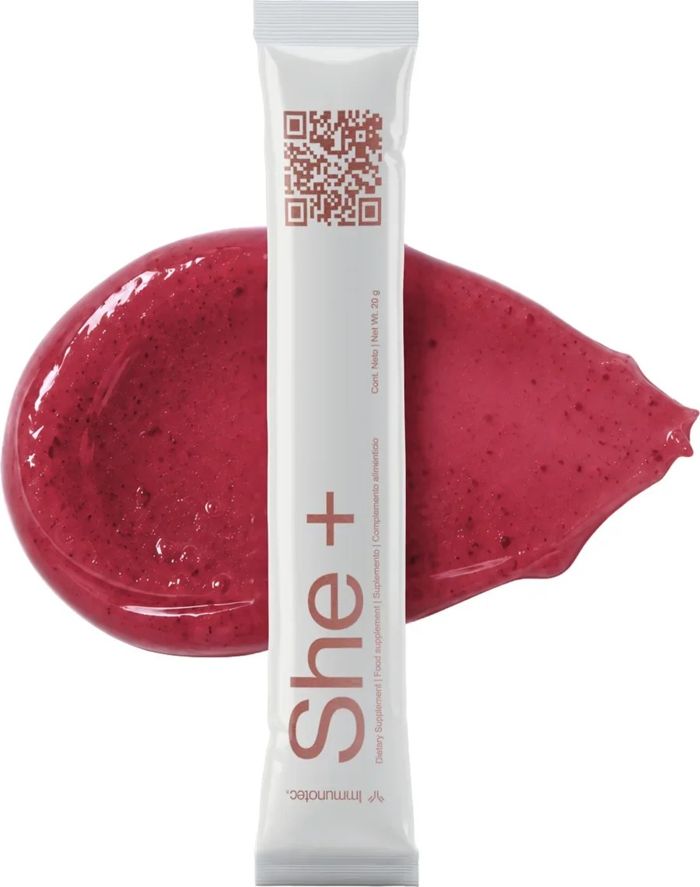
For me, sleep was the symptom that changed perimenopause most. Mine had been slipping for about a year, along with low energy, hot flashes and waking up hot and sweaty. I tried magnesium first and it didn’t help me. About two months ago I started She+ by Immunotec, an apple blueberry jelly stick I take once a day. My Oura ring used to show me waking about every 10 minutes. Now my sleep scores are in the 80s and 90s, I have more energy, and my hot flashes have calmed down. I also just love the taste.
She+ is not a bladder product, and I won’t pretend it is. Pelvic floor exercises and the habits above are where to start for leaks. But if perimenopause is also wearing down your sleep and energy, I shared everything in my She+ review after two months. It is not hormone replacement therapy (HRT), and it runs about $44 a box on subscription ($59 retail).
Talk to your doctor first
Bladder leaks are common, but they are not something you have to quietly put up with, and some symptoms deserve a check. See your provider if:
- It burns, stings or smells different. Those can be signs of a urinary tract infection, which needs treatment.
- You see blood in your urine or have pelvic pain. Always get that looked at.
- You feel a bulge or heaviness in the vagina. That can be a sign of prolapse, which a doctor or pelvic floor therapist can assess.
- Leaks are frequent or keep you from going out. Women on Mumsnet suggest explaining clearly how much it affects your daily life when you book, so you get the right referral.
- You are thinking about a supplement. Ask first if you are pregnant, take blood thinners, have a history of breast or uterine cancer, or have liver problems. Black cohosh, a common menopause herb, has rare reports of liver problems, so mention it to your doctor.
My take
Bladder leaks are one of the most common and least talked about parts of perimenopause, and it helps to know there is a real reason for them and real research on what works. Start with pelvic floor exercises three times a day, give them a solid six weeks, and pair them with steady fluids, less caffeine and staying regular. If you are not sure you are doing Kegels right, a pelvic floor physical therapist can make a huge difference. And if leaks are getting in the way of your life, bring them up with your doctor. You deserve to sneeze, laugh and work out without worrying.
FAQ
Can perimenopause cause bladder leaks?
Yes. In the SWAN study, women in early and late perimenopause were more likely to start leaking than women who were still premenopausal. Most new leaks were occasional, and the most common type was stress leaks with coughing, sneezing or exercise.
Do Kegel exercises really work for bladder leaks?
For many women, yes. A 2018 Cochrane review of 31 trials found women with stress leaks who did pelvic floor training were much more likely to report being cured or improved. The NIDDK says results usually show up after 3 to 6 weeks of regular practice.
Why do I suddenly need to pee so urgently in perimenopause?
Thinner, drier tissue around the bladder and urethra can make the bladder more easily irritated, which can show up as urgency. Bladder training, pelvic floor squeezes during an urge and cutting back on caffeine can help. Get checked for a urinary infection if it burns or stings.
Will bladder leaks go away after menopause?
For many women, things settle. SWAN found the risk of new leaks was lower after menopause than during perimenopause. Building pelvic floor strength now helps either way.
Should I drink less water if I leak?
Not too much less. The NIDDK cautions against cutting fluids so far that you get dehydrated, which can irritate the bladder. Drink steadily through the day and ask your provider about timing if nighttime trips are a problem.
Sources
- Waetjen LE, et al. Association between menopausal transition stages and developing urinary incontinence. Obstetrics and Gynecology, 2009.
- Waetjen LE, et al. Serum estradiol levels and urinary incontinence in mid-life women transitioning through menopause (SWAN). Menopause, 2011.
- Dumoulin C, Cacciari LP, Hay-Smith EJC. Pelvic floor muscle training versus no treatment, or inactive control treatments, for urinary incontinence in women. Cochrane Database of Systematic Reviews, 2018.
- Subak LL, et al. Weight loss to treat urinary incontinence in overweight and obese women. New England Journal of Medicine, 2009.
- Cody JD, et al. Oestrogen therapy for urinary incontinence in post-menopausal women. Cochrane Database of Systematic Reviews, 2012.
- National Institute of Diabetes and Digestive and Kidney Diseases. Definition and facts for bladder control problems in women.
- National Institute of Diabetes and Digestive and Kidney Diseases. Treatment for bladder control problems.
- National Institute of Diabetes and Digestive and Kidney Diseases. Kegel exercises.
- Mumsnet forums: Bladder leaking, Urinary urgency, could this be perimenopause? and Flush, panic, needing to go.
Curious what I take for sleep and hot flashes? Read my honest She+ by Immunotec review.
This article reflects one person’s experience and is for general information only. It is not medical advice. Talk with your healthcare provider before starting any supplement.
Leave a Reply